How Long a Marketplace Pack Should Take to Build
"How long should this take?" is the first question every aspiring Marketplace creator asks — and the hardest to answer honestly. There's a massive difference between slapping together a skin pack and building a world template with custom behavior packs, and the timelines reflect that.
Instead of guessing, we analyzed real release patterns from active Marketplace partners across the full catalog to give you grounded expectations. This isn't a motivational article about "just ship it" — it's a practical guide to planning your first (or next) Marketplace project.
What Actually Affects Build Time
Before timelines, you need to understand the variables. Two skin packs can take wildly different amounts of time depending on these factors:
- Content type: A skin pack is fundamentally different from a world template with custom mechanics. The pack type is the single biggest factor in how long your project will take.
- Custom mechanics: 774 items in the catalog include behavior packs — these have custom game logic written using Minecraft's Scripting API. They take significantly longer than static content.
- Asset quantity: A skin pack with 10 skins takes less time than one with 50. A world template covering a small area is faster than one with an expansive, detail-rich map.
- Polish level: There's a quality spectrum from "functional" to "studio-grade." The items with the highest ratings tend to have custom UI, detailed textures, thorough testing, and marketing screenshots. That polish costs time.
- Testing: Every pack needs testing across platforms (Windows, mobile, console) and Minecraft versions. Complex behavior packs need significantly more testing than texture swaps.
- The review process: After you build it, Microsoft reviews it. Plan for the review cycle when scoping your timeline — it's not instant.
Realistic Timelines by Pack Type
These ranges come from analyzing creator release patterns and accounting for the complexity differences between content types. They assume a solo creator or small team working consistently (not full-time — most Marketplace creators aren't doing this 40 hours a week).
Skin Packs: 2–4 Weeks
Skin packs are the fastest content to produce. You're creating character models with custom textures — no world building, no scripting, no behavior logic. The core skills are pixel art and understanding Minecraft's skin format.
- Simple skins (retextures): A pack of 10-20 retextured skins can be done in 1-2 weeks.
- Custom geometry skins: If you're using custom models (wider heads, wings, capes), add another 1-2 weeks for modeling and testing.
- The real time cost: Marketing assets. Creating compelling store screenshots, a good thumbnail, and a polished description often takes nearly as long as the skins themselves.
Here's what quality skin pack work looks like — these are among the highest-rated skin packs on the Marketplace:
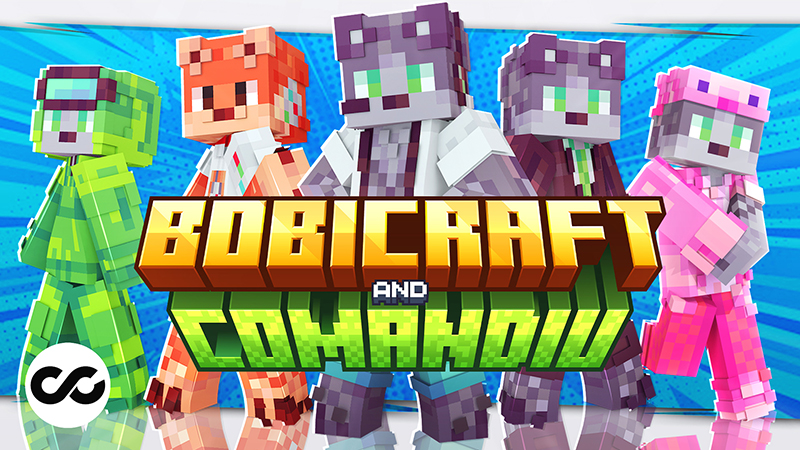
Bobicraft and Comandiu
by Chillcraft · 5.0/5 (24,541 ratings) · 310 Minecoins
Join the Bobicraft community and their friends with this wolf skin set! Dress up as Comandiu, Bobicraft with a suit or Bobicraft axolotl! - Include the original Bobicraft skin free! - In colla...
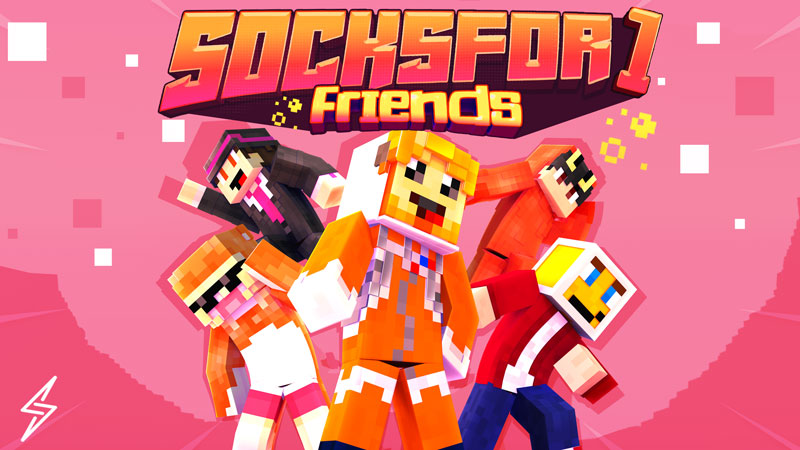
Socksfor1 Friends
by ThunderAy · 5.0/5 (1,897 ratings) · 490 Minecoins
Meet famous YouTuber Socksfor1 and his best friends! It's your lucky day, you're able to join their ultimate squad, today! + 10 skins, providing you with Socksfor1's finest Minecraft team! + F...
Resource Packs (Textures): 4–8 Weeks
Resource packs replace Minecraft's default textures, sounds, or UI elements. They're more work than skin packs because you're retexturing potentially hundreds of blocks, items, and entities — and they all need to look cohesive.
- Themed retextures (partial): Packs that retexture a subset of blocks (e.g., medieval stone, modern furniture) take 3-5 weeks.
- Full overhaul packs: Retexturing all of Minecraft's blocks and items is a major undertaking — 6-10 weeks minimum.
- The hidden cost: Consistency. Every block needs to look good next to every other block. You'll spend significant time adjusting textures that look fine in isolation but clash in context.
Top-rated resource packs demonstrate the level of consistency that takes time to achieve:
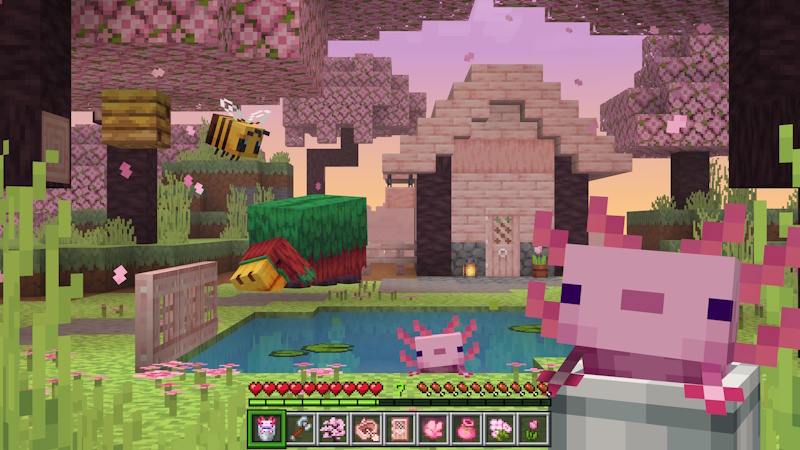
Actions & Stuff 1.9.1
by Oreville Studios · 4.9/5 (119,310 ratings) · 1,690 Minecoins
The Animation Pack You Didn't Know You Needed: Bring your world to life with new animations, particles, textures, and more! - Player Animations (1st & 3rd Person) - New & Improved Mob Animation...
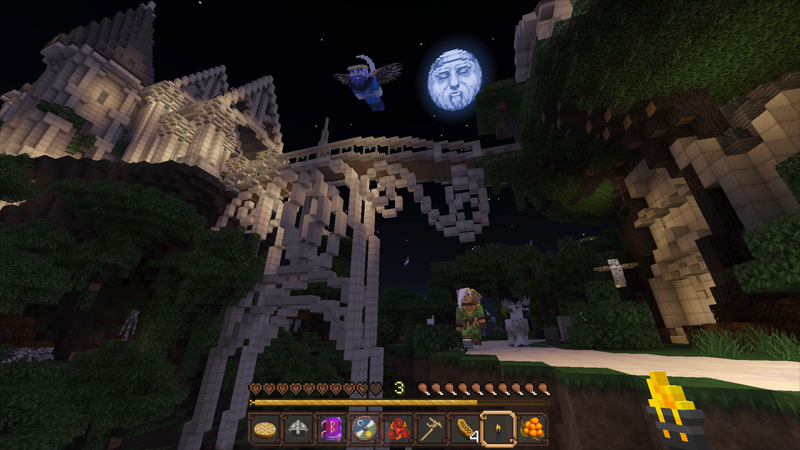
Norse Mythology Mash-Up
by Minecraft · 4.8/5 (24,377 ratings) · 990 Minecoins
Are you heroic enough to enter the Great Hall, Valhalla? Find out in the Norse Mythology Mash-up! Compose your own grand saga as you voyage through the 9 realms, from the treetops of Yggdrasil, dow...
World Templates: 2–6 Months
This is where timelines get serious. World templates are complete Minecraft worlds — adventure maps, minigame arenas, survival challenges, pre-built cities. They require level design, playtesting, and often custom textures on top of the world itself.
- Simple showcase worlds: A pre-built castle or city with no custom mechanics — 4-8 weeks.
- Adventure maps with objectives: Maps with structured gameplay, storylines, and progression — 2-4 months.
- Complex minigame worlds: Multiple game modes, balanced mechanics, multiplayer support — 3-6 months.
- Why so long? Every corner of the world needs to be intentional. Players explore everything, and empty or unfinished areas destroy the experience. The articles on why some maps feel empty and maps with replay value explain what separates good worlds from bad ones.
These highly-rated world templates show the level of detail that commands top ratings — and the time investment behind them:
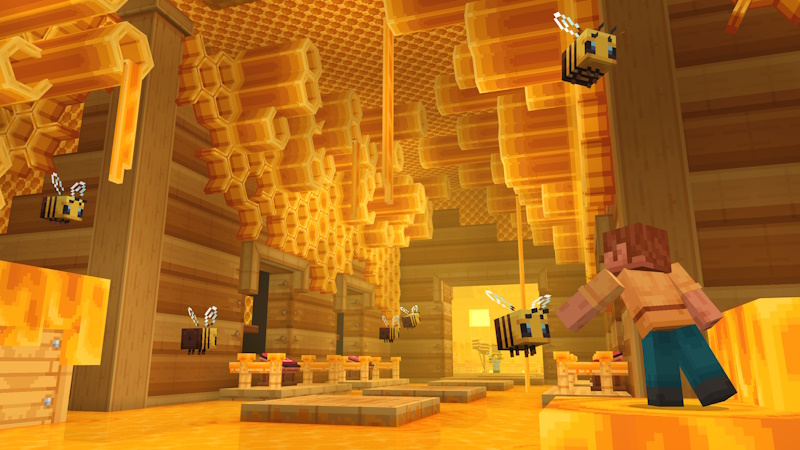
15 Year Journey
by Minecraft · 4.9/5 (167,027 ratings) · Free
It’s time for a (literal) trip down memory lane! A lot has happened in these 15 years, so we’ve packed some of our most nostalgic moments, marvelous dimensions, and accidental proudest inventions f...
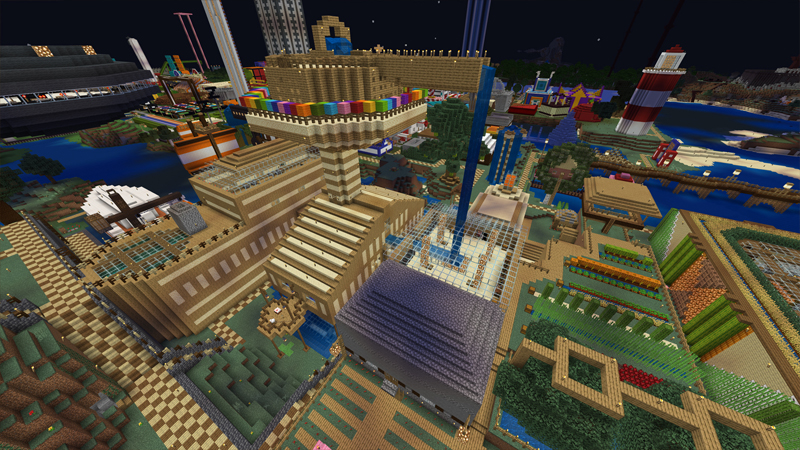
Stampy’s Lovely World
by 4J Studios · 4.9/5 (9,360 ratings) · 990 Minecoins
The official map of Stampy’s Lovely World. A place that was built over ten years and has been seen by millions. Explore the town, play in the funland and experience the places where countless sto...
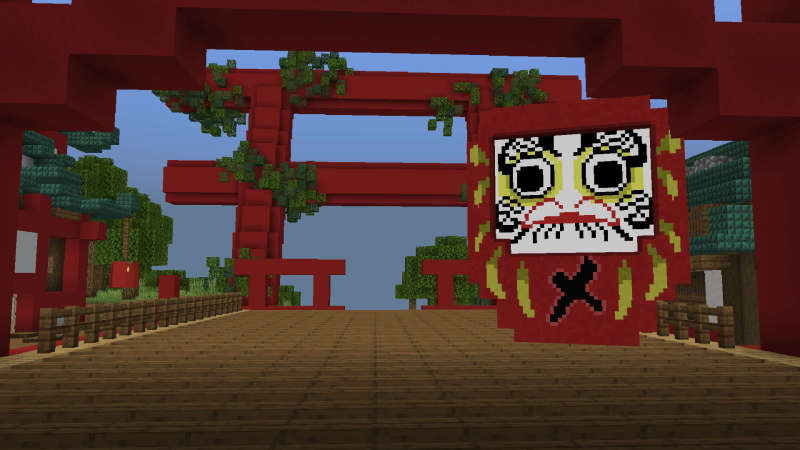
Red light, Green light
by UUUM · 4.9/5 (5,210 ratings) · 1,340 Minecoins
- Mini-game map based on Colorful Peach's "Red light - Green light" series! - Collect sealing cards and seal the Daruma! If you want to survive, do not move when the Daruma is nearby. - Multiplay...
Behavior Packs (Add-Ons): 3–12+ Months
Behavior packs are the most complex content on the Marketplace. They add custom game mechanics using Minecraft's Scripting API — new mobs, custom items, game modes, UI elements. This is real programming, not just asset creation.
- Simple add-ons (new items/mobs): Adding a few custom entities with basic behavior — 1-3 months.
- Game mechanic mods: New gameplay systems (RPG stats, custom crafting, economy) — 3-6 months.
- Full game-like experiences: Complete custom game modes with scripted events, UI, and multiplayer support — 6-12+ months.
- The compounding complexity: Behavior packs interact with Minecraft's existing systems in unpredictable ways. A mob that works perfectly in testing might break when a player does something unexpected. Budget 30-40% of your timeline for testing and bug fixes alone.
The most successful behavior packs represent months of development and testing:
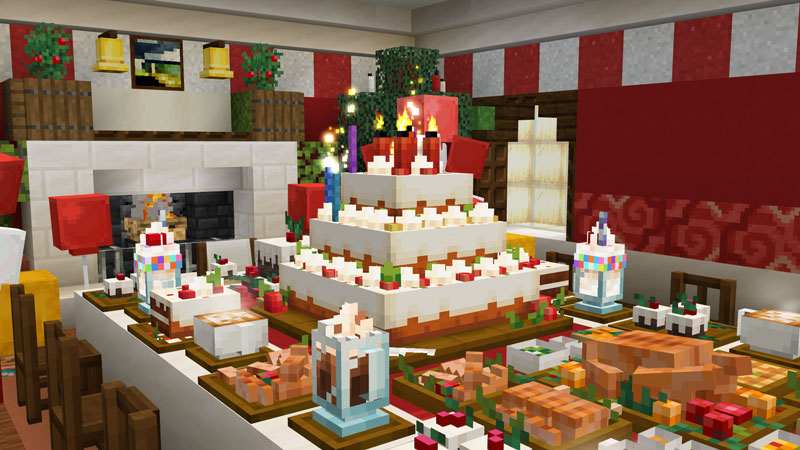
Celebration Food Add-On
by Overtales Studio · 4.9/5 (2,202 ratings) · 660 Minecoins
Are you throwing a party for friends or celebrating something special? This Add-On pack is for you! Let's create something memorable with a selection of foods, desserts, drinks, and much more. Thi...
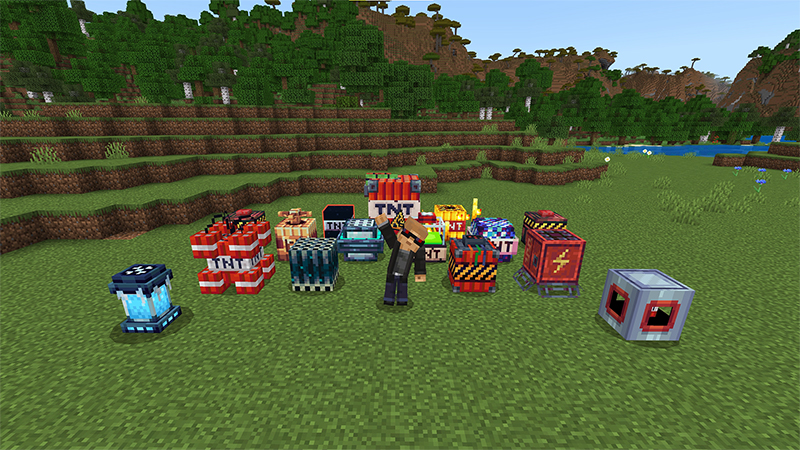
More TNT! Add-On
by Tsunami Studios · 4.8/5 (469,053 ratings) · Free
This explosive Add-On is pretty simple… It adds more TNT to any world you want! Craft yourself a wide selection of super overpowered and unique TNT types!
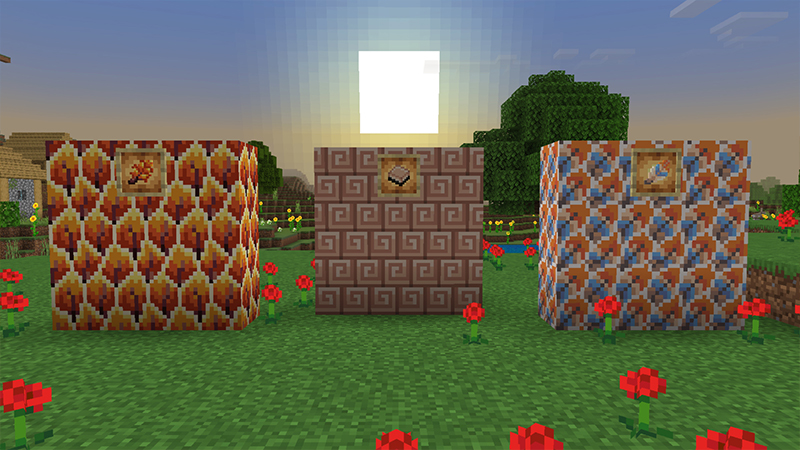
DragonFire Lite Add-On
by Spectral Studios · 4.8/5 (394,405 ratings) · Free
This Add-on puts dragons into your worlds for you to tame and collect. - Find dragons as Eggs, Hatchlings, and Adults around the various biomes in your world! - Collect their scales to craft cu...
What Real Release Cadences Look Like
Theory is useful, but data is better. We analyzed release patterns from established Marketplace creators — partners who've published at least 3 items with good ratings (4.0+ average, 100+ reviews) — to see how often they actually ship:
| Pack Type | Creators Analyzed | Avg Items per Creator | Avg Days Between Releases |
|---|---|---|---|
| Skin Packs | 205 | 37.4 | 83 days |
| World Templates | 159 | 23.3 | 118 days |
| Resource Packs | 106 | 6.0 | 206 days |
| Behavior Packs | 78 | 4.4 | 131 days |
| Mashup Packs | 9 | 5.4 | 263 days |
A few things jump out from this data. First, successful creators ship regularly — they're not spending years on a single item. Second, the cadence varies significantly by content type, reflecting the real complexity differences. Third, these are averages — some creators ship faster (often studios with multiple artists) while solo creators may take longer.
The key insight: even fast creators aren't shipping world templates every two weeks. If your timeline feels aggressive compared to what experienced partners manage, you're probably underestimating the work.
How Top Creators Pace Their Work
Looking at specific creators who maintain high quality over large catalogs — these are the partners worth studying for pacing strategy:
| Creator | Total Items | Avg Rating | Avg Days Between Releases |
|---|---|---|---|
| Cubeverse | 63 | 4.69 | 17 days |
| Aliquam Studios | 195 | 4.66 | 7 days |
| Black Arts Studios | 90 | 4.66 | 27 days |
| ManaLabs | 72 | 4.63 | 9 days |
| Hourglass Studios | 436 | 4.63 | 4 days |
| Atheris Games | 85 | 4.62 | 22 days |
| Team Metallurgy | 88 | 4.62 | 20 days |
| Logdotzip | 68 | 4.62 | 31 days |
These numbers tell a story: prolific creators with high ratings are typically studios or experienced teams, not solo hobbyists grinding out content. A creator averaging a new item every 10-20 days likely has a team. If you're solo, don't compare your pace to theirs — compare your quality.
How the Marketplace Has Grown
Understanding the catalog's growth gives you context for what you're entering:
| Year | Items Published |
|---|---|
| 2018 | 589 |
| 2019 | 2,176 |
| 2020 | 4,958 |
| 2021 | 7,701 |
| 2022 | 8,052 |
| 2023 | 7,315 |
| 2024 | 4,898 |
| 2025 | 3,629 |
| 2026 | 890 |
The Marketplace is getting more competitive every year. This means quality matters more than ever — and quality takes time. Rushing to publish a mediocre item into a catalog of 40,778+ is a recipe for invisibility. Read our analysis of why some packs flop for more on this.
The Quality-Speed Tradeoff
Every Marketplace creator faces the same tension: ship more items to increase your catalog (and visibility), or spend longer on each item to increase quality (and ratings). The data suggests quality wins in the long run:
- Items with 4.5+ ratings accumulate dramatically more total reviews over time than items with 3.5 ratings — the algorithm rewards quality with visibility.
- One great item can outperform ten mediocre ones in total engagement and revenue. Our article on how creators make money breaks down the economics.
- Reputation compounds: Players who love your first pack seek out your next one. A rushed first impression is hard to recover from.
That said, perfectionism is also a trap. A pack that's 90% polished and published beats a pack that's 100% polished and still in development. The review process itself will catch technical issues — learn how the approval process works — so don't treat your submission as final.
Planning for the Review Process
Your build timeline doesn't end when you finish building. After submission, Microsoft reviews every pack for:
- Technical compliance: Does it work on all target platforms? Are there crashes or performance issues?
- Content guidelines: Does it meet the Marketplace content standards?
- Quality bar: Screenshots, descriptions, and the content itself are evaluated.
Review times vary, but plan for 2-4 weeks between submission and publication. First-time submissions may take longer as reviewers aren't familiar with your work. Experienced partners with a track record sometimes see faster turnarounds.
If your submission is rejected, you'll need to fix the issues and resubmit — add buffer time for at least one revision cycle. The Creator Portal documentation covers submission requirements in detail.
When to Ship vs. When to Polish
Here's a practical framework for deciding when your pack is ready:
Ship when:
- The core experience works reliably on all target platforms.
- Your screenshots accurately represent what players will get (no false advertising).
- You've had someone else playtest it and they understood what to do without explanation.
- There are no known crashes or game-breaking bugs.
Keep polishing when:
- Playtesters report confusion about objectives or mechanics.
- There are obvious placeholder assets or unfinished areas.
- The pack works on your platform but you haven't tested others.
- Your store screenshots look worse than your competitors'.
Stop polishing when:
- You're tweaking things no player would notice.
- You've been "almost done" for more than two weeks.
- The improvements you're making are marginal compared to the time they cost.
- You could be starting your next pack instead.
First Steps for New Creators
If you're just starting out, here's a realistic path:
- Start with a skin pack. It's the fastest content type to produce, has the lowest technical barrier, and teaches you the submission process without a massive time commitment.
- Scope aggressively small. Your first pack should be something you can finish in 2-3 weeks, not 2-3 months. You'll learn more from publishing one small pack than from spending six months on an ambitious first project that never ships.
- Study the existing catalog. Look at what's already available in your planned category. What's the quality bar? What's the price range? Use the creator directory to see how established partners present their work.
- Read the official creator documentation. It covers technical requirements, submission guidelines, and best practices that will save you time.
- Apply to the Partner Program. You need to be accepted before you can publish, so start the application early. Our article on becoming a Marketplace partner covers what you need to know.
Resources
- Minecraft Creator Portal — full documentation, tutorials, and tools
- Getting Started Guide — official starting point for new creators
- Marketplace Partner Program — how to apply
- Minecraft Marketplace — browse the catalog for research
- MinecraftPal Creator Directory — study existing partners' catalogs and release patterns
- MinecraftPal Marketplace — compare pricing, ratings, and content across the full catalog
- More MinecraftPal articles — including guides on becoming a partner, what types of packs sell, and why some packs flop
Related Articles

How Much Do Minecoins Cost? A Guide to Prices and Real Value
Minecoins are the only currency the Minecraft Marketplace accepts — but how much do they actually cost in real money, and what do they buy? We break down bundle pricing, the dollar conversion, and what your coins are worth using real catalog data.
Jul 20, 2026
How to Tell if a Marketplace Pack Is Worth Buying
A practical framework for evaluating Minecraft Marketplace content before purchasing — using ratings, review counts, screenshots, videos, and price data from 41,000+ items to help you make smarter buying decisions.
Feb 26, 2026Signs a Marketplace Map Is Just a Reskin
How to spot low-effort reskins on the Minecraft Marketplace before buying. Data-driven red flags, creator patterns, and what genuinely original content looks like — with real examples from the catalog.
Feb 26, 2026
How Marketplace Ratings Actually Work
A real statistical analysis of the Minecraft Marketplace rating system — what the numbers mean, why review count matters more than star average, the cold-start problem for new items, and a leaderboard of the most-reviewed packs. Backed by data from 40,208 catalog items.
Feb 26, 2026