
How Marketplace Ratings Actually Work
The Minecraft Marketplace has 40,208 items, and every single one carries a star rating. But what do those numbers actually mean? How reliable are they? And what should you look at when deciding whether a pack is worth your Minecoins?
We analyzed the rating data across the entire Marketplace catalog to answer those questions. The results are more interesting — and more useful — than you might expect. Whether you're a buyer trying to make smart purchases or a creator trying to understand your audience, here's what the numbers actually tell you.
How the Rating System Works
The Marketplace rating system is straightforward on the surface: players rate content on a 1-to-5 star scale after purchasing it. Each item shows two numbers — its average star rating and how many people rated it.
Here's what most people don't think about: those two numbers tell very different stories. The average rating tells you what people thought of it. The total review count tells you how many people engaged with it. And in practice, the review count is often the more useful number.
Of the 40,208 items on the Marketplace, 36,255 have at least one rating — meaning 3,953 items have never been rated at all. Among the rated items, the overall average rating is 4.44 stars. The median is 4.50 stars. That skew toward high ratings is common across all digital marketplaces — people who dislike a purchase are less likely to leave a rating than those who enjoy it. This matters because it means a 4.0-star rating isn't just "above average" — it's actually somewhat below the Marketplace norm.
The Star Rating Distribution: Most Items Rate High
Here's how Marketplace items are distributed across star rating bands. This only includes items that have at least one rating (36,255 of the 40,208 total items):
| Star Rating | Items | % of Rated Items |
|---|---|---|
| 4.5-5.0 stars | 21,714 | 59.9% |
| 4.0-4.4 stars | 10,480 | 28.9% |
| 3.5-3.9 stars | 2,877 | 7.9% |
| 3.0-3.4 stars | 849 | 2.3% |
| 2.0-2.9 stars | 292 | 0.8% |
| Under 2.0 stars | 43 | 0.1% |
The numbers speak for themselves: roughly 89% of all rated items have a 4.0 or higher rating. This isn't because everything on the Marketplace is amazing — it's because of selection bias in who rates. Satisfied buyers rate more often than dissatisfied ones, and buyers who never engage with the content often don't rate at all.
This means that when you see a 4-star rating, it isn't a ringing endorsement — it's actually below what most items achieve. Anything below 3.5 stars is a genuine warning sign that something isn't working for players.
Why Review Count Matters More Than Star Average
Here's the most important insight in this entire article: how many reviews an item has tells you far more than its average rating. Here's the full distribution of review counts across the catalog:
| Review Count | Items | % of Catalog |
|---|---|---|
| 0 reviews | 3,953 | 9.8% |
| 1-10 reviews | 5,479 | 13.6% |
| 11-50 reviews | 13,266 | 33.0% |
| 51-200 reviews | 9,760 | 24.3% |
| 201-1,000 reviews | 5,106 | 12.7% |
| 1,001-5,000 reviews | 1,885 | 4.7% |
| 5,001-20,000 reviews | 496 | 1.2% |
| 20,000+ reviews | 263 | 0.7% |
Over 56% of all Marketplace items have 50 or fewer reviews. Most items are essentially invisible. The total review count of 35,802,228 across all items isn't spread evenly — it's heavily concentrated in a small number of hit items.
What does this mean for you as a buyer?
- An item with 5,000+ reviews and 4.2 stars is far more trustworthy than an item with 8 reviews and 5.0 stars. The first has been battle-tested by thousands of players. The second might just have 8 friends of the creator leaving ratings.
- An item with 200+ reviews has enough data for the average to be statistically meaningful. Below that, the average can swing wildly based on a few ratings.
- An item with zero reviews isn't necessarily bad — it might be brand new. But it does mean you're taking a risk with zero social proof.
How Ratings Stabilize With More Reviews
Here's something the data reveals clearly: ratings become more predictable as review counts increase. Items with few reviews have wild swings in quality. Items with thousands of reviews converge toward a consistent range.
| Review Count Tier | Items | Avg Rating | Rating Range | Std Dev |
|---|---|---|---|---|
| 1-10 reviews | 5,479 | 4.39 | 1.0 – 5.0 | 0.641 |
| 11-50 reviews | 13,266 | 4.45 | 2.0 – 5.0 | 0.381 |
| 51-200 reviews | 9,760 | 4.46 | 1.6 – 5.0 | 0.366 |
| 201-1,000 reviews | 5,106 | 4.40 | 1.7 – 4.9 | 0.409 |
| 1,001-5,000 reviews | 1,885 | 4.43 | 1.9 – 5.0 | 0.374 |
| 5,000+ reviews | 759 | 4.47 | 2.1 – 5.0 | 0.294 |
Look at the standard deviation column — it shrinks as review counts increase. Items with only 1-10 reviews can have any rating from 1 to 5. But items with 5,000+ reviews cluster tightly around a narrower range. This is basic statistics: more data points mean more reliable averages.
The practical takeaway: don't trust a rating unless it has enough reviews behind it. As a rough guide, 50+ reviews gives you a reasonable signal. 200+ is solid. 1,000+ and you can be confident the average reflects real player opinion.
How Ratings Differ by Pack Type
Different types of content get rated differently. Here's how the numbers break down by pack type:
| Pack Type | Rated Items | Avg Rating | Median Rating | Avg Reviews |
|---|---|---|---|---|
| Skin Packs | 28,670 | 4.50 | 4.60 | 532 |
| World Templates | 9,845 | 4.19 | 4.30 | 1,849 |
| Resource Packs | 1,242 | 4.21 | 4.30 | 7,368 |
| Behavior Packs | 774 | 4.25 | 4.40 | 5,614 |
| Mashup Packs | 83 | 4.32 | 4.40 | 10,203 |
Some pack types consistently rate higher than others. This doesn't necessarily mean they're better — it means buyer expectations differ. A skin pack that does exactly what it promises (skins that look like the thumbnail) will rate highly. A world template has more room to disappoint if the gameplay doesn't live up to the screenshots.
When comparing ratings across pack types, keep these baseline differences in mind. A 4.1-star world template might actually represent a better relative experience than a 4.4-star skin pack.
Are Perfect 5.0 Ratings Trustworthy?
There are currently 472 items with a perfect 5.0 rating and at least 10 reviews. The one with the most reviews at a perfect score has 24,541 reviews.
Should you trust a 5.0 rating? It depends entirely on the review count:
- 5.0 with 10-20 reviews: Plausible but fragile. A single 3-star review would drop it to ~4.8. The sample is too small to draw conclusions.
- 5.0 with 50+ reviews: More notable, but still possible with genuinely excellent content that appeals to a niche audience. Small, dedicated communities can maintain perfect scores.
- 5.0 with 100+ reviews: Rare and impressive. Maintaining a perfect score across hundreds of players suggests consistently meeting expectations.
The real question isn't "is 5.0 suspicious?" — it's "does this item have enough reviews for the score to be meaningful?" A 4.6-star item with 2,000 reviews tells you far more than a 5.0-star item with 12.
The Cold Start Problem: New Items Start With Nothing
Every item on the Marketplace started with zero ratings. And most struggle to escape that gravitational pull. Of the 1,309 items published in the last 90 days:
- 839 still have zero ratings
- 1,066 (81.4%) have fewer than 10 ratings
This is the cold-start problem. New items compete against established content that already has hundreds or thousands of reviews and high visibility in search results. The Marketplace search algorithm naturally favors items with more engagement, creating a feedback loop: popular items get more visible, which makes them more popular, which makes them more visible.
For buyers, this means genuinely great new content exists that you've never seen — it just hasn't accumulated enough ratings to surface. If you want to discover hidden gems, sort by "newest" or browse by specific tags to find fresh content before the crowd does.
For creators, the cold-start period is where screenshots, video previews, descriptions, and an existing audience matter most. Your first ratings come from players who decided to try something with little or no social proof — make sure the listing itself makes a compelling case.
The Most-Reviewed Items on the Marketplace
These are the items with the most ratings on the entire Marketplace — the content that millions of players have engaged with. This isn't a "best of" list (that would be subjective). It's a popularity leaderboard based on pure engagement data:
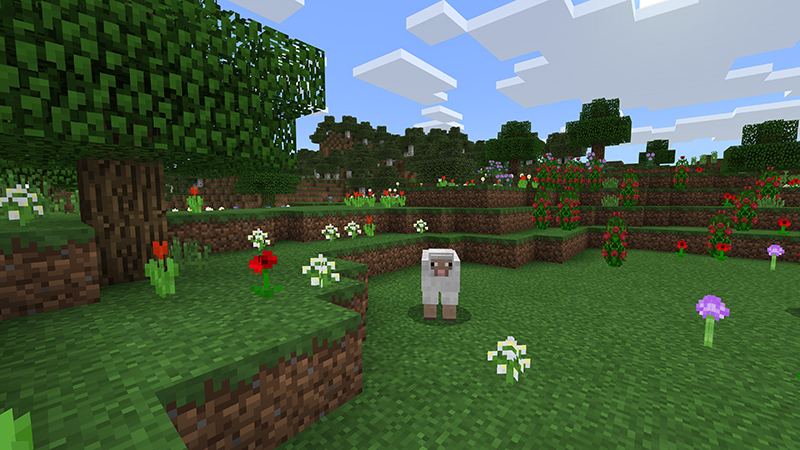
Minecraft Classic Texture Pack
by Minecraft · 4.6/5 (962,457 ratings) · Free
The classic Minecraft look you know and love! We recently updated the game with new and stylish textures, but if you prefer more of a retro flavor to your Minecraft, this is the pack for you! Why n...
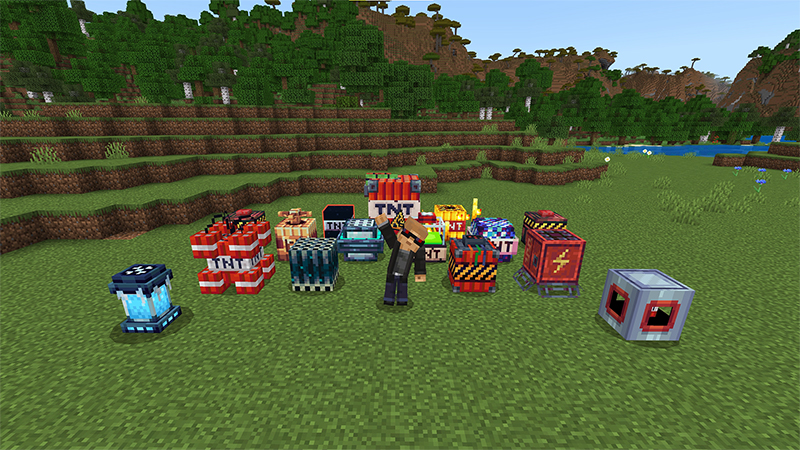
More TNT! Add-On
by Tsunami Studios · 4.8/5 (469,053 ratings) · Free
This explosive Add-On is pretty simple… It adds more TNT to any world you want! Craft yourself a wide selection of super overpowered and unique TNT types!
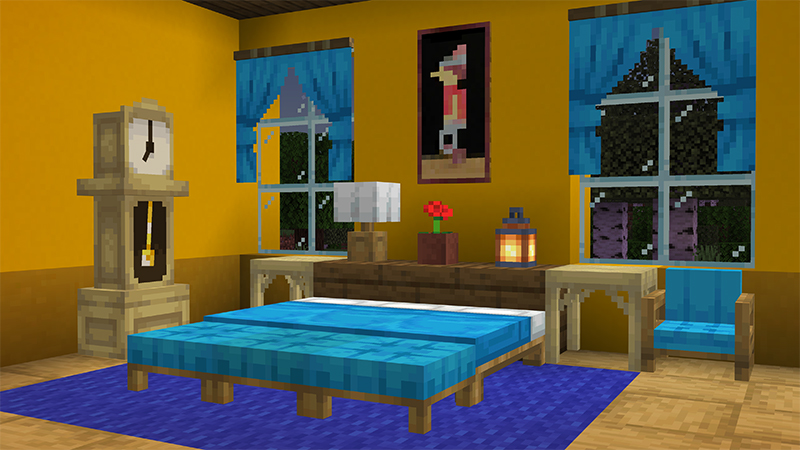
Another Furniture Add-On
by Starfish Studios · 4.7/5 (399,936 ratings) · Free
This Add-On offers 20+ CRAFTABLE VANILLA+ FURNITURE and decorations that can be added to enhance YOUR OWN HOME. - Craftable in SURVIVAL - New TOOLS and UTILITIES - Upgrade your HOME [!] US...
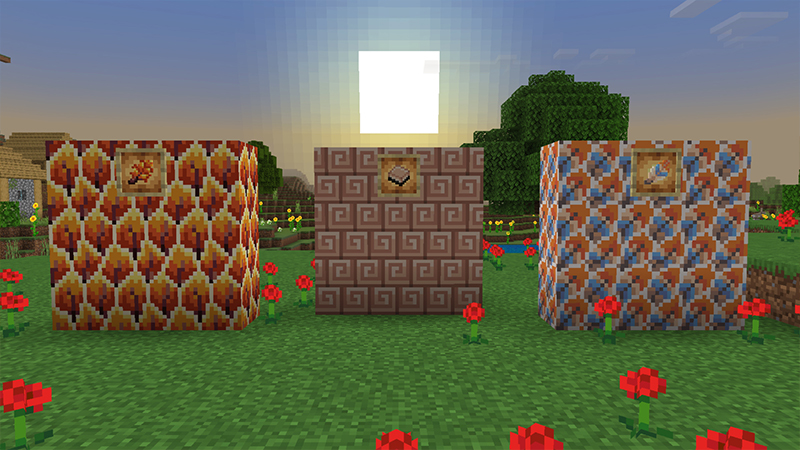
DragonFire Lite Add-On
by Spectral Studios · 4.8/5 (394,405 ratings) · Free
This Add-on puts dragons into your worlds for you to tame and collect. - Find dragons as Eggs, Hatchlings, and Adults around the various biomes in your world! - Collect their scales to craft cu...

Abstraction: MINECON EARTH
by Jigarbov Productions · 4.5/5 (368,751 ratings) · Free
Featuring the logos that were just begging to be played on, MINECON EARTH has floating landmasses with a surprising amount of hidden secrets and challenges. + Explore both the 2018 and the 2017 lo...

Marine Biologist Roleplay
by Imagiverse · 4.5/5 (289,410 ratings) · Free
Dive into the exciting life of a marine biologist! Explore several ocean biomes while discovering amazing creatures. *Peaceful scavenger hunt based gameplay *20 new aquatic animals *Drivable ...
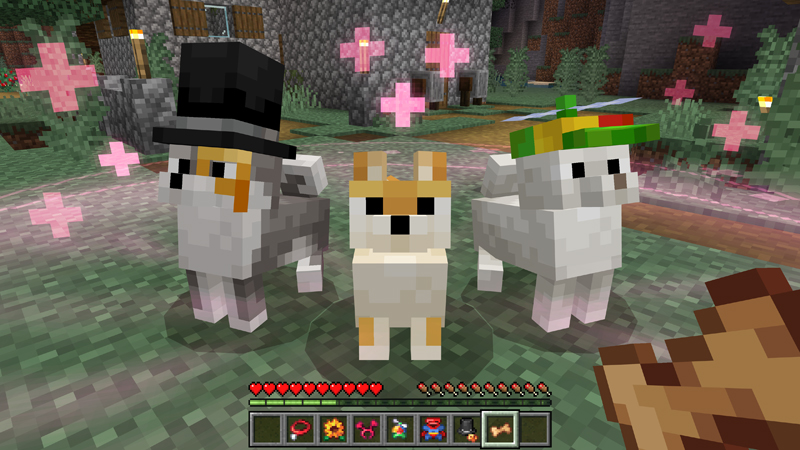
Spark Pets Add-On (Lite)
by Spark Universe · 4.8/5 (280,759 ratings) · Free
Add 10 cute pets to your worlds and make them your adorable companions. Each pet comes in different colors and with five outfits. Give them treats and watch them perform tricks. Get special items t...
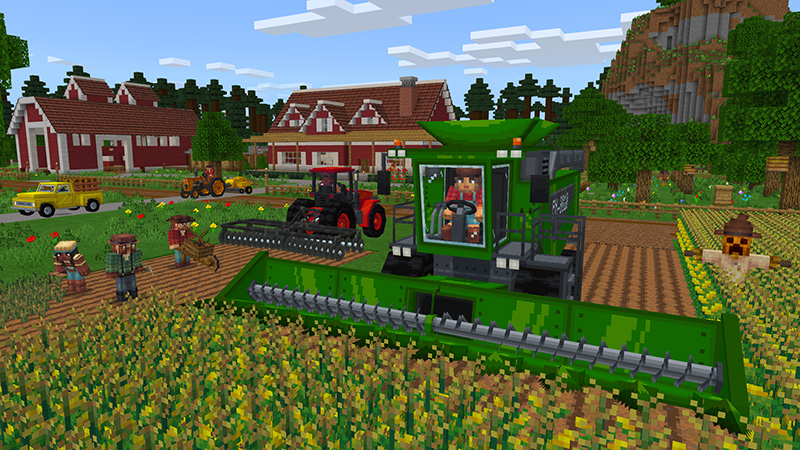
Farm Life
by PixelHeads · 4.6/5 (277,210 ratings) · Free
Welcome to Farm Life. Experience the challenging life of a farmer. Tend your fields, trade your harvest for better farming equipment, produce food, and become the best farmer in the world! - 50+...
Notice what these top items have in common: established creators, strong brands, polished screenshots, and content that delivers a clear, compelling experience. Most have been on the Marketplace for years, steadily accumulating ratings. Success on the Marketplace is usually a marathon, not a sprint.
Browse more items by engagement on MinecraftPal — sort by rating count to find the most popular content in any category.
How to Actually Use Ratings When Shopping
Here's a practical framework for using Marketplace ratings to make better purchase decisions:
- Check review count first, star rating second. An item with 500+ reviews and 4.2 stars is almost certainly a solid purchase. An item with 5 reviews and 5.0 stars is a question mark.
- Compare within pack types. A 4.0-star world template is a different proposition than a 4.0-star skin pack. Use MinecraftPal to compare items of the same type.
- Look for the 4.4-star baseline. The Marketplace average is 4.44 stars. Items above that are beating the curve. Items significantly below it have real problems.
- New items deserve a different lens. Content published in the last few weeks might be excellent but hasn't had time to accumulate ratings. Look at the creator's other items — if their track record is strong, a new item from them is less risky.
- Screenshots and videos matter as much as ratings. Ratings tell you what past buyers thought. Screenshots and videos tell you what you'll actually get. Use both.
Resources
- Minecraft Marketplace — browse the official store and check ratings firsthand
- Minecraft Wiki: Marketplace — how the Marketplace works
- Marketplace FAQ — official frequently asked questions
- MinecraftPal Marketplace — compare ratings, prices, and reviews across the full catalog
- More MinecraftPal articles — including our guides on how to tell if a pack is worth buying and how to avoid wasting money
Related Articles

How Much Do Minecoins Cost? A Guide to Prices and Real Value
Minecoins are the only currency the Minecraft Marketplace accepts — but how much do they actually cost in real money, and what do they buy? We break down bundle pricing, the dollar conversion, and what your coins are worth using real catalog data.
Jul 20, 2026
How to Tell if a Marketplace Pack Is Worth Buying
A practical framework for evaluating Minecraft Marketplace content before purchasing — using ratings, review counts, screenshots, videos, and price data from 41,000+ items to help you make smarter buying decisions.
Feb 26, 2026Signs a Marketplace Map Is Just a Reskin
How to spot low-effort reskins on the Minecraft Marketplace before buying. Data-driven red flags, creator patterns, and what genuinely original content looks like — with real examples from the catalog.
Feb 26, 2026What Is the Minecraft Marketplace? A Guide for Parents
A plain-language guide to the Minecraft Marketplace for parents — what it is, how payments work, what your child can buy, and how to manage spending. Real data from the full catalog.
Feb 26, 2026