Why the Minecraft Marketplace Is Becoming More Like Roblox
Here's a comparison nobody at Mojang would probably make publicly, but one that's increasingly hard to ignore: the Minecraft Marketplace is quietly evolving into something that resembles Roblox more than it resembles a traditional game DLC store.
Not in the obvious ways — Minecraft isn't becoming a free-to-play platform with Robux and UGC limiteds. But the structural parallels are real and growing. A creator economy with 335 content creators. A catalog of 77,618+ items spanning games, cosmetics, and experiences. Featured servers that function like Roblox "experiences." A subscription model. And an increasingly sophisticated pipeline where third-party developers — not Mojang — drive the majority of new content.
This isn't a critique. Whether Marketplace becoming more platform-like is good or bad depends on what you care about. But it's worth understanding what's happening, because the trajectory is clear — and the data tells the story.
The Scale: Bigger Than You Think
Let's start with raw numbers, because most people dramatically underestimate the size of the Minecraft Marketplace:
| Category | Count |
|---|---|
| Marketplace Durable Items | 41,625 |
| Persona/Character Creator Items | 33,690 |
| Featured Server Content Entries | 2,303 |
| Unique Content Creators | 335 |
| Featured Server Operators | 11 |
| Total Catalog Items | 77,618 |
For context, Roblox has millions of "experiences" — but the vast majority are abandoned or negligible. The Marketplace's 41,625 durable items are all Microsoft-reviewed, curated content. The comparison isn't about total numbers; it's about the structural similarity of a platform where third-party creators are the primary content engine.
On Roblox, Roblox Corporation builds the tools and platform while developers build the games. On the Minecraft Marketplace, Mojang/Microsoft builds the engine and review pipeline while 335 partner studios and individuals build the content. The dynamic is the same — just with a different quality bar and business model.
The Growth Curve
The Marketplace hasn't always been this large. Here's how the catalog has grown since launch:
| Year | New Items | Cumulative Total |
|---|---|---|
| 2018 | 922 | 922 |
| 2019 | 2,821 | 3,743 |
| 2020 | 6,139 | 9,882 |
| 2021 | 12,138 | 22,020 |
| 2022 | 13,819 | 35,839 |
| 2023 | 14,853 | 50,692 |
| 2024 | 13,248 | 63,940 |
| 2025 | 10,481 | 74,421 |
| 2026 | 894 | 75,315 |
The acceleration is striking. In the early years (2018–2020), the Marketplace averaged around 3,294 new items per year. In recent years (2022+), that's risen to about 10,659 — roughly 3.2x the pace. That's the kind of growth curve you see in platforms, not traditional game stores.
Roblox saw similar acceleration as its creator tools improved and the economics attracted more developers. The Marketplace is following the same pattern, just with a curated gate that slows the raw throughput while maintaining quality.
Featured Servers: The Strongest Roblox Parallel
If there's one feature that makes the Roblox comparison unavoidable, it's Featured Servers. These are third-party multiplayer experiences built on Bedrock Edition, accessible directly from the game's server tab. They function almost identically to Roblox experiences: you browse, you join, you play games that other companies built inside the platform.
There are currently 2,303 server content entries across 11 featured server networks:
| Server | Content Items | Total Reviews | Avg Rating |
|---|---|---|---|
| InPvP | 563 | 522,236 | 4.16 |
| The Hive | 409 | 494,984 | 4.65 |
| Lifeboat | 83 | 492,442 | 4.42 |
| CubeCraft Games | 296 | 336,079 | 4.55 |
| Mineplex | 93 | 234,226 | 4.62 |
| Galaxite | 320 | 61,839 | 4.61 |
| Enchanted | 226 | 60,576 | 4.39 |
| Pixel Paradise | 43 | 23,516 | 4.02 |
| Gamemode One | 102 | 893 | 4.69 |
| Noxcrew | 167 | 671 | 4.80 |
| Minecraft | 1 | 0 | — |
These servers offer minigames, survival variants, PvP arenas, and social spaces — exactly the kind of content that defines Roblox. Players join, play for free (with optional purchases), and move between game modes. Some of these servers have thousands of concurrent players and their own economies.
The key difference: Roblox lets anyone publish an experience. Minecraft's featured servers are a curated, invite-only program. There are 11 operators instead of millions of developers. This means higher average quality but dramatically less variety — and it prevents the explosive growth that made Roblox a platform rather than a game.
The Creator Economy
Both Roblox and the Minecraft Marketplace are fundamentally creator economies — platforms where third parties build most of the content and share revenue with the platform owner. Here are the most prolific Marketplace creators by audience engagement:
| Creator | Items | Total Reviews | Avg Rating |
|---|---|---|---|
| Minecraft | 181 | 11,374,587 | 4.51 |
| Razzleberries | 1,058 | 1,514,918 | 4.25 |
| Spark Universe | 38 | 1,363,376 | 4.42 |
| Jigarbov Productions | 55 | 1,361,389 | 4.44 |
| Blockworks | 53 | 907,036 | 4.10 |
| Gamemode One | 23 | 777,042 | 4.40 |
| 4KS Studios | 689 | 772,165 | 4.35 |
| Shapescape | 213 | 760,101 | 4.13 |
| Lifeboat | 348 | 687,644 | 4.25 |
| Pickaxe Studios | 810 | 673,866 | 4.28 |
| GoE-Craft | 1,082 | 611,600 | 4.31 |
| Everbloom Games | 92 | 589,342 | 4.29 |
| Pathway Studios | 671 | 537,684 | 4.32 |
| Noxcrew | 66 | 517,119 | 4.48 |
| Starfish Studios | 32 | 513,370 | 4.41 |
Some of these are full studios with dozens of employees. Others are small teams or individuals. The range mirrors Roblox, where a handful of large studios generate most of the revenue while a long tail of smaller creators produces niche content.
The reported revenue split is 70% creator / 30% Microsoft — comparable to Roblox's effective developer share after various platform fees. Both platforms incentivize creators to build more content by tying income directly to downloads and engagement. For more on this, see our article on how Marketplace creators make money.
Content Diversity: More Than a Skin Store
One reason people underestimate the Marketplace is that they think of it as a skin store. The reality is more nuanced. Here's the breakdown by pack type:
| Pack Type | Items | Avg Rating | Avg Reviews |
|---|---|---|---|
| Skin Packs | 32,452 | 4.50 | 589 |
| World Templates | 11,777 | 4.17 | 1,735 |
| Resource Packs | 1,312 | 4.21 | 7,428 |
| Behavior Packs | 794 | 4.25 | 6,024 |
| Mashup Packs | 88 | 4.28 | 9,790 |
Skin packs are numerous, but world templates and behavior packs are where the Roblox comparison gets interesting. World templates are complete game experiences — adventure maps, survival worlds, minigame arenas. Behavior packs are mods that change how the game works. Together, they mean the Marketplace isn't just selling cosmetics; it's selling gameplay.
On Roblox, the core loop is: browse experiences, play for free, buy cosmetics and passes. On the Marketplace, it's: browse content, buy worlds and mods, play inside Minecraft. The monetization model differs (upfront purchase vs. in-experience microtransactions), but the end result is similar — third-party creators building diverse gameplay experiences within a single platform.
Marketplace Pass: The Subscription Angle
Roblox has Roblox Premium — a subscription that gives you a monthly Robux stipend and access to premium features. Minecraft has Marketplace Pass — a subscription that gives you rotating access to curated Marketplace content.
The parallels:
- Recurring revenue — both create predictable income streams beyond one-time purchases
- Discovery mechanism — subscriptions introduce players to content they wouldn't have bought individually
- Creator exposure — having your content featured in the Pass/Premium rotation drives awareness
- Platform stickiness — monthly subscriptions keep players engaged with the platform, not just the base game
The subscription model is still newer than Roblox Premium, but it represents the same strategic thinking: turn a game store into an ongoing service.
The Free-to-Play Element
One of Roblox's defining features is that most experiences are free to play, with monetization happening inside the experience. The Marketplace is primarily a pay-upfront model, but free content is more significant than you might expect:
| Price Range | Items | % of Catalog |
|---|---|---|
| Free | 203 | 0.6% |
| 160-490 MC | 29,849 | 82.0% |
| 491-830 MC | 5,095 | 14.0% |
| 831-1340 MC | 1,148 | 3.2% |
| 1340+ MC | 91 | 0.3% |
284 items (0.7% of the catalog) are free. These include promotional packs, branded content, holiday items, and starter packs — content designed to get players comfortable with the Marketplace ecosystem. Featured servers are also free to join (with optional in-server purchases), which is directly analogous to Roblox's free-to-play model.
The strategic logic is identical: free content reduces friction, builds habits, and funnels users toward paid content. Roblox perfected this. Microsoft is adopting the same playbook.
Platform Vibrancy: What's New and Thriving
A healthy platform constantly produces new content that attracts audiences. Here are some of the best-performing items from the last 12 months — evidence that the Marketplace isn't just large, it's actively growing:
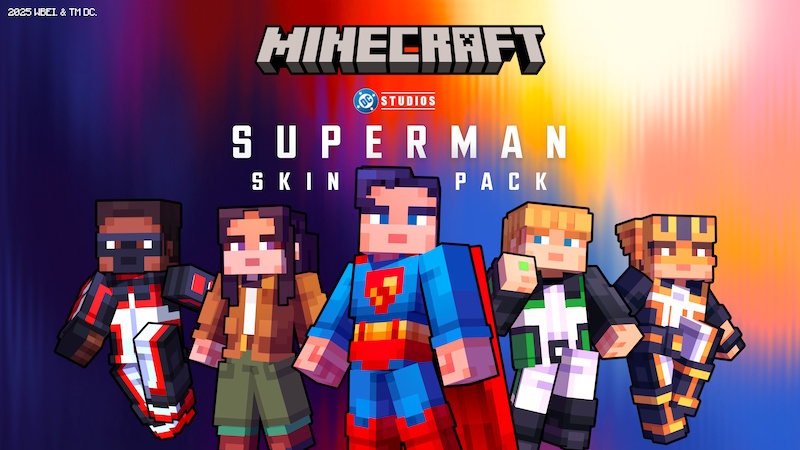
Superman Skin Pack
by Oreville Studios · 4.6/5 (89,635 ratings) · Free
Skin up like a true Super Hero with the free Superman Skin Pack! Pick your favorite from five skins, including Superman, Lois Lane, Green Lantern, Hawkgirl, and even Mr. Terrific... suit up in a ne...
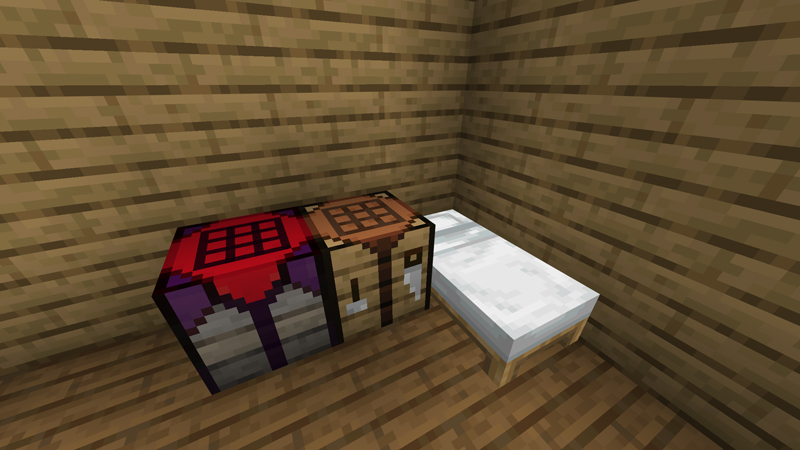
Uncrafting Items Add-On
by Chunklabs · 4.5/5 (38,360 ratings) · Free
Ever wanted to get back the wood you used to make those doors you did not need? Now you can! Use the custom Uncrafting Table to uncraft any item, block and more! Finally get back those diamonds you...
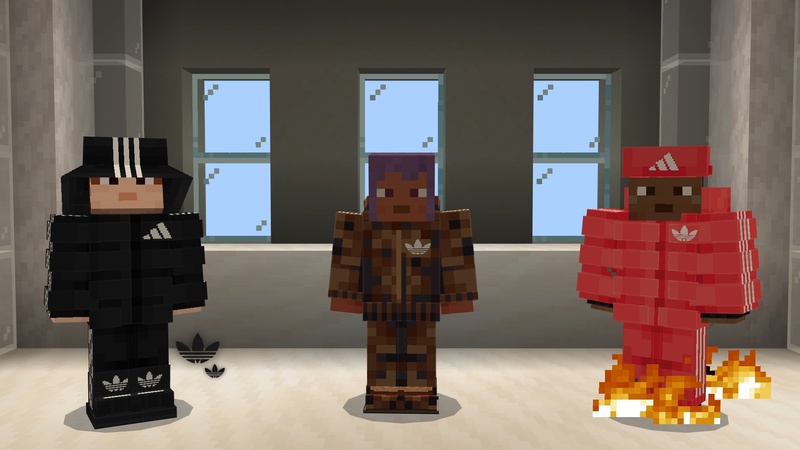
adidas Adventurers Add-On
by Minecraft · 4.5/5 (36,459 ratings) · Free
Get the ultimate sidekicks with the adidas Adventurers Add-On! Your utility companions can: • Find ore • Locate structures • Offer quests – w/ rewards • Fight mobs • Auto farm • Jump boost ...
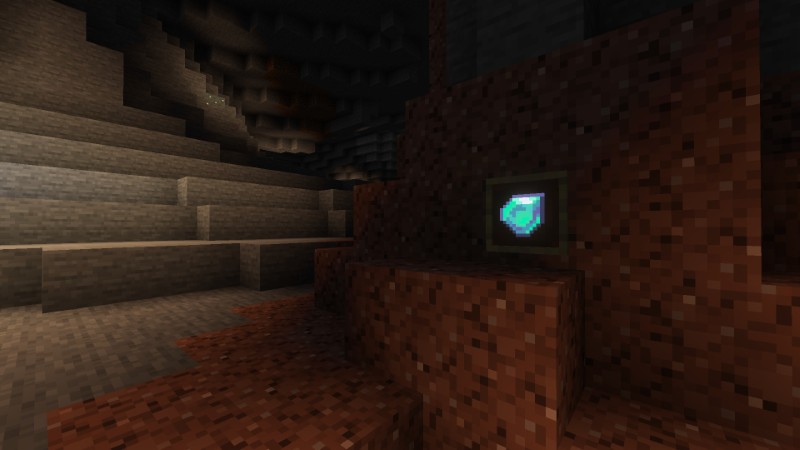
Echo Crystal Add-On
by JWolf Creations · 4.4/5 (29,356 ratings) · Free
Harness the power of an Echo Crystal to phase through solid blocks above you! Whether you’re escaping a cave or scaling a towering structure, this item offers a swift, clever shortcut.
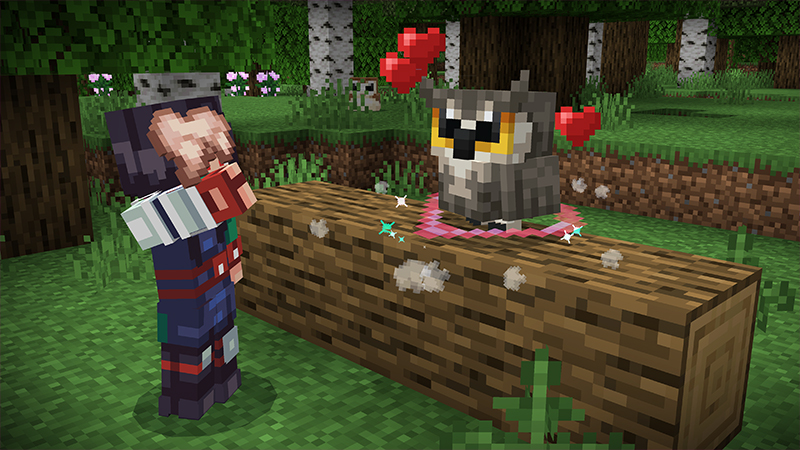
Owls Add-On
by Noxcrew · 4.7/5 (28,992 ratings) · Free
Bring owls into your survival world with the Owls Add-On! - Find 9 different breeds of Owls! - Give them tools and equipment that can make them battle pets, crafting assistants, or even help yo...
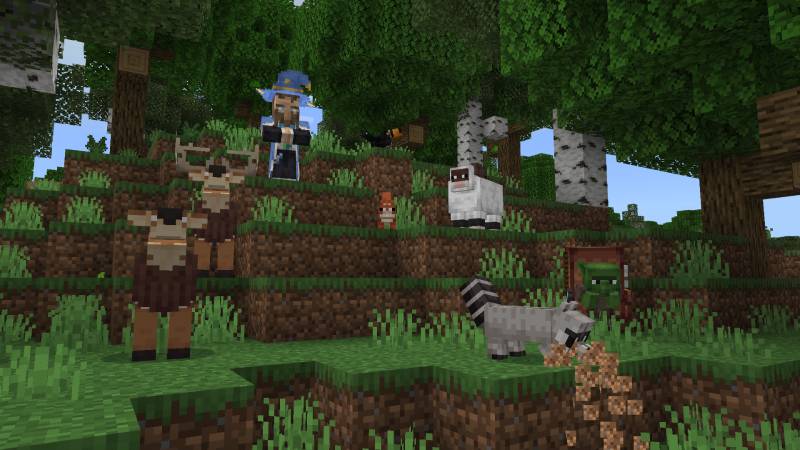
Better on Bedrock v1.2.0
by Poggy · 4.8/5 (27,168 ratings) · 990 Minecoins
Explore a new world of Minecraft with Better on Bedrock, a new Dynamic World! There is tons to explore! • Custom trees, biomes and structure generation • 100+ New blocks and items • 20+ New Mo...
New content continues to attract hundreds of thousands of ratings, which is a strong proxy for downloads and engagement. The Marketplace isn't a static catalog — it's an active ecosystem where new creators and content emerge regularly. Browse the latest additions on MinecraftPal's release tracker.
Where Marketplace and Roblox Still Differ
The parallels are real, but so are the differences — and they matter:
Curation vs. Open Publishing
Roblox lets anyone publish anything (with moderation after the fact). The Marketplace requires partner approval and content review before anything goes live. This means higher average quality but far less content volume and no indie "bedroom developer" access. As of now, you need to be an approved Marketplace Partner to sell anything.
Purchase Model vs. Free-to-Play
Most Marketplace content requires an upfront Minecoin purchase. Most Roblox experiences are free with in-experience purchases. This is a fundamental economic difference that affects everything from how content is discovered to how creators optimize their revenue. The Marketplace model is simpler but less accessible.
Game Identity
Roblox is explicitly a platform — it's not trying to be a single game. Minecraft is still a game first, with the Marketplace as an add-on ecosystem. This distinction affects user expectations: Marketplace content enhances Minecraft, while Roblox experiences are the product. When you launch a Marketplace world template, you're still playing Minecraft. When you launch a Roblox experience, you might be playing anything.
Revenue Transparency
Roblox publishes developer earnings data publicly. Microsoft doesn't share Marketplace revenue figures. The Marketplace's creator economics are less transparent, which makes it harder for potential creators to evaluate the opportunity. Check our creator economics analysis for what the public data suggests.
Social Features
Roblox has friends, groups, chat, parties, and a social feed built into the platform. Minecraft's social features are primarily Xbox-account based and far less developed. The Marketplace has no social layer — no reviews, no recommendations, no "friends are playing this" signals. This is a significant gap if the goal is platform-like engagement.
What This Means for Players
If you're a player, the Roblox-ification of the Marketplace is mostly positive:
- More content, more variety. The creator economy incentivizes diverse content production. With 335 creators competing for attention, you benefit from the competition.
- Higher quality over time. The curation gate means you're less likely to encounter the broken, abandoned experiences that plague open platforms like Roblox.
- New types of experiences. As creators push the boundaries of behavior packs and scripting APIs, Marketplace content is getting closer to "custom game" territory — which is exactly what Roblox experiences already are.
- Featured servers as free gaming. The featured server program gives you access to multiplayer game experiences at no cost — the most directly Roblox-like feature available today.
The downside is the same one Roblox users face: as the platform grows, discovery becomes harder. With 41,625 durable items in the catalog, finding good content requires better tools — which is why MinecraftPal exists.
What This Means for Creators
For current and aspiring creators, understanding the platform trajectory matters for strategic planning:
- The opportunity is growing. More items means more competition, but also a larger, more engaged audience that expects to spend money in the Marketplace.
- Gameplay content is the frontier. The shift from cosmetic packs to gameplay experiences (behavior packs, world templates with custom mechanics) mirrors Roblox's evolution from simple games to sophisticated experiences. Creators who build gameplay — not just cosmetics — are riding the trend.
- Server integration is emerging. If you're a studio thinking in platform terms, the featured server program is the most Roblox-like opportunity on Bedrock. It's invite-only and competitive, but the audience is massive.
- Subscription models change the economics. Marketplace Pass means some of your content's revenue comes from subscription splits rather than direct purchases. This is a shift creators need to understand and plan for.
For a practical guide to getting started, see our articles on becoming a Marketplace partner and what types of packs actually sell.
The Bottom Line
The Minecraft Marketplace isn't trying to become Roblox. But it's solving the same problem — how to turn a game into a platform where third-party creators drive engagement and revenue — and arriving at many of the same answers.
A creator economy with revenue sharing. A catalog of user-generated content at scale. Server-based multiplayer experiences. A subscription model. Free content as a funnel. The structural DNA is converging, even if the execution differs significantly in curation, quality, and business model.
Whether you see this as a positive evolution or an unwelcome shift depends on what you value. If you want a curated, quality-controlled extension of Minecraft, the Marketplace delivers. If you want the wild creativity and accessibility of a truly open platform, it still falls short of what Roblox offers to indie creators and players.
What's undeniable is the trajectory. With 77,618 items, 335 creators, and 11 featured server operators, the Marketplace has already crossed the line from "game store" to "content ecosystem." Where it goes next is the interesting question.
Resources
- Minecraft Marketplace — browse the official store
- Roblox — the platform we're comparing to
- Minecraft Wiki: Marketplace — community reference
- Windows Central: Minecraft Coverage — gaming press coverage of the Marketplace ecosystem
- MinecraftPal Marketplace — compare items, ratings, and creators across the full catalog
- MinecraftPal Servers — browse featured server content
- MinecraftPal Creators — explore the creator ecosystem
- More MinecraftPal articles — including creator economics, partner guides, and add-on trends
Related Articles
Minecraft Live 2026 Recap: Minecraft Dungeons II and Everything Announced
Minecraft Live returned in March 2026 with its biggest lineup in years — headlined by Minecraft Dungeons II, a real-world Minecraft theme park, a touring night-time experience, and fresh game-drop news. Here's everything Mojang announced and when you can get it.
Jul 20, 2026
Minecraft's Chaos Cubed Update: Sulfur Caves and the Block-Eating Sulfur Cube
Chaos Cubed — Minecraft's second game drop of 2026 — added a strange new underground world. Here's everything in it: the sulfur caves biome, sulfur and cinnabar blocks, noxious gas, and the endlessly weird sulfur cube that changes its physics based on what you feed it.
Jul 20, 2026Everything New in Minecraft in 2026 So Far
2026 has been a landmark year for Minecraft: a brand-new year-based version numbering, a steady stream of named 'game drops' like Tiny Takeover and Chaos Cubed, the ongoing Vibrant Visuals graphics overhaul, and a Minecraft Live packed with reveals. Here's everything that's landed — and what's next.
Jul 20, 2026
The Top Minecraft Marketplace Creators, Ranked by the Data
Who are the biggest studios on the Minecraft Marketplace? We ranked hundreds of creators by real player engagement, average rating, and catalog size to find the true heavyweights — the ones behind the content you actually play.
Jul 20, 2026